Introduction: The Fast-Evolving World of Restaurant Technology
The global restaurant industry is undergoing a dramatic transformation — and at the heart of it is next-generation POS technology. From cloud-based systems to AI-driven personalization and fully integrated digital ecosystems, restaurants that embrace modern tech are seeing measurable gains in sales, operational efficiency, and customer satisfaction.
The restaurant technology market continues to grow rapidly. In fact, global restaurant tech solutions — including POS, online ordering systems, and automation tools — were valued at billions in recent years, and are projected to surge further as adoption increases worldwide.
In this blog, we explore the key trends in 2026 shaping the future of restaurant POS systems — focusing on how restaurants can leverage these tools for better sales performance, smarter operations, and superior guest experiences.
1. AI-Powered POS Is Becoming Mainstream
One of the most notable shifts in the restaurant industry is the growing use of AI in POS systems. Restaurants are no longer just processing orders — they’re using data to predict demand, personalize experiences, and automate complex workflows.
According to recent industry data:
- AI and automation adoption is high, with many restaurants reporting strong customer service improvements thanks to AI tools.
- AI features — from chatbots to predictive inventory suggestions — help reduce complaints and errors, while driving better engagement.
- A significant percentage of restaurant operators believe AI will have a major impact on customer service over the next few years.
Real-World Example
Major chains are experimenting with AI to improve ordering. For example, Wendy’s has been piloting an AI voice-ordering system in hundreds of drive-thrus to speed up service and handle peak volume more efficiently — though some brands have found accuracy and human preference to be part of the learning curve.
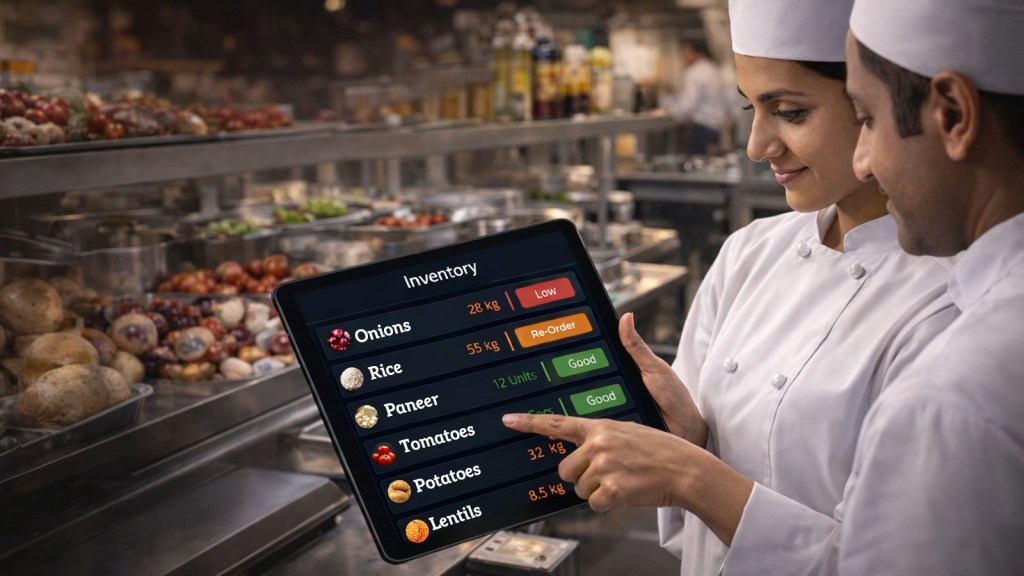
2. Automation and Predictive Tools Boost Operational Efficiency
Today’s modern restaurant POS systems aren’t just cash registers — they are automation engines. Whether forecasting inventory needs or balancing labor schedules, automation is helping operators cut costs and reduce manual workload.
Strong adoption trends include:
- Around half of restaurants now use digital inventory and supply chain systems.
- Digital tools streamline many back-of-house tasks, leading to improved accuracy and consistency.
- Digital ordering options and contactless ecosystems have significantly reduced order errors in many establishments.
- Most industry projections show that restaurants will continue investing heavily in digital infrastructure, particularly automation and analytics.
Automation not only makes operations more efficient, it also allows teams to focus more on guest service and quality — directly contributing to higher customer satisfaction and loyalty.
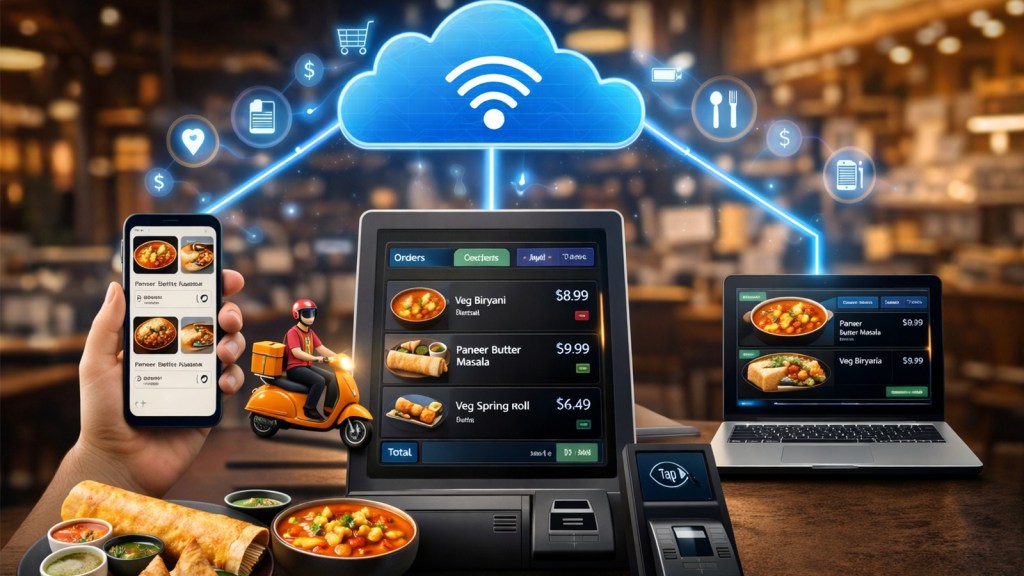
3. Cloud-Based POS and Integrated Digital Experience
Another major trend is the shift to cloud POS systems and fully connected digital ecosystems.
Why this matters:
- Cloud solutions increase reliability and scalability — critically important for restaurants with multiple locations or remote management needs.
- Cloud POS integrates with other platforms (delivery apps, reservations, loyalty programs), enabling seamless operations across channels.
- Integration supports real-time data access across sales, inventory, customer patterns, and staff performance, giving operators a full view of business performance.
According to combined industry insights:
- Around two-thirds of restaurants now use cloud-based POS systems as part of broader digital transformation strategies.
This integration enables restaurants to do more than process sales — they can track trends, respond quickly to changes, and personalize guest interactions.
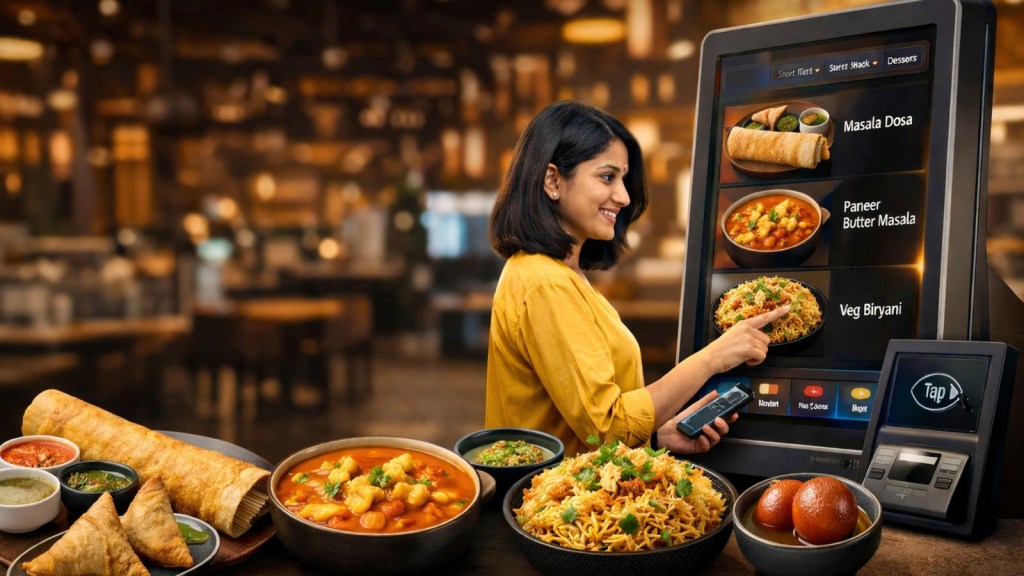
4. Digital Ordering & Contactless Payments Drive Sales Growth
In 2026, digital ordering isn’t a luxury — it’s expected. Industry data shows:
- A large majority of digital food orders now originate via apps and online platforms.
- Many consumers say they prefer mobile ordering over traditional methods like phone or in-person ordering.
- Restaurants that have a digital ordering option frequently see higher average order values and increased repeat business.
Contactless payments and mobile wallets have become a standard expectation rather than a novelty — with more than half of consumers regularly using digital payment options when dining out.
A unified POS plus digital ordering system lets restaurants:
- Accept orders seamlessly online and in store
- Reduce friction at checkout
- Improve order accuracy
- Capture customer data for loyalty and remarketing campaigns
This leads to increased sales volumes, improved customer retention, and better lifetime value.
5. Analytics and Predictive Insights: The New Competitive Edge
Smart restaurants are leveraging analytics and AI predictions to plan for demand, allocate staff effectively, and optimize inventory management.
Operators using analytics report benefits such as:
- Reduced food waste due to smarter stocking decisions.
- Forecast accuracy improvements that support staffing and menu planning.
- Better decision-making grounded in data rather than instinct or guesswork.
These tools help restaurants adapt quickly to trends like seasonal spikes, local events, and consumer preferences — all of which drive sales and operational resilience.
6. Enhancing Customer Engagement & Experience
POS systems today are central to guest experience — not just operations. By integrating with loyalty programs, digital marketing platforms, and CRM tools, restaurants can:
- Send personalized offers via email or app notifications
- Track customer ordering behavior
- Deliver tailored promotions that drive repeat visits
Data shows that personalized digital engagement correlates with stronger customer loyalty and increased revenue — especially among younger diners who place high value on tailored experiences.
Conclusion: POS Tech Is No Longer Just a Transaction Tool — It’s the Growth Engine
By 2026, the restaurant POS system has evolved into a strategic business platform, not just a point of sale. The convergence of AI, smart automation, cloud-based integration, analytics, and digital ordering is fueling:
✔ Higher operational efficiency
✔ Better customer experiences
✔ Increased online sales
✔ Enhanced revenue and loyalty
The data clearly shows: restaurants embracing digital transformation — especially through modern, integrated POS systems — are the ones winning in a competitive and tech-driven marketplace.
As the global restaurant technology market continues to expand and innovations like AI and automation deepen their impact, service operators must think beyond basic transactions and invest in systems that help them adapt, predict, and grow.
Key Takeaways at a Glance
- AI adoption is rising, helping improve service, accuracy, and engagement.
- Automation and digital tools are linked to higher revenue outcomes.
- Cloud POS and integrated systems offer real-time insights and operational cohesion.
- Digital ordering and mobile payments are crucial for customer preference and growth.

 MAGHIL