Introduction: The New Standard of Dining
In the U.S. restaurant industry, customer experience is no longer just about food quality—it’s about speed, convenience, and personalization. Diners expect their favorite restaurants to offer seamless order placement, quick service, and payment flexibility. To meet these expectations, restaurants are turning to advanced technology, specifically, the Integrated POS System for Restaurants. These systems do more than process payments; they connect various aspects of operations to create a smooth and satisfying experience for every guest.
What Is an Integrated POS System for Restaurants?
An Integrated POS system for restaurants is more than just a cash register. It connects multiple touchpoints of restaurant operations into a single platform—ordering, payment, kitchen coordination, customer data management, loyalty tracking, and feedback collection. This interconnected approach enhances the entire customer journey while giving staff the tools they need to perform more efficiently.
From Restaurant Order Taking Systems to Kitchen Display Systems, integrated POS solutions help restaurant teams work in sync, reduce errors, and delight customers.
Faster and Smarter Order Taking
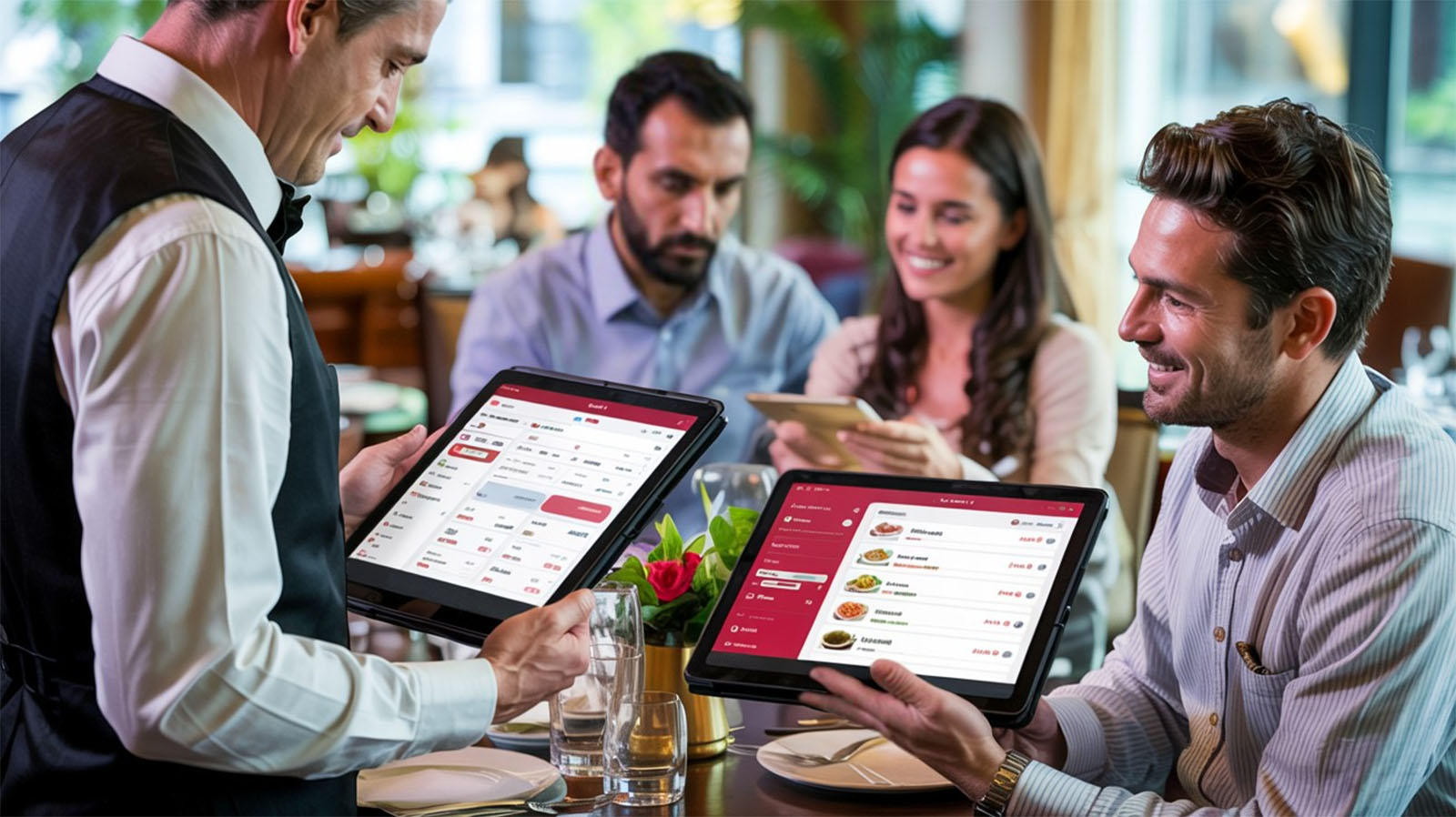
In busy dining environments, accuracy and speed are critical. Modern Restaurant Order Taking Systems, often powered by tablets or handheld devices, allow servers to take orders tableside and transmit them directly to the kitchen. This reduces the risk of errors and minimizes wait times.
Orders sent directly to a Kitchen Display System (KDS) ensure the kitchen team receives clear, real-time instructions, speeding up prep and service. When food arrives faster and correctly, customers notice—and appreciate it.
Embracing Contactless Payments in Restaurants
The COVID-19 pandemic permanently changed how U.S. consumers prefer to pay. The rise of Contactless Payment in Restaurants—via mobile wallets, QR codes, or NFC technology—has become a standard feature that customers expect.
Integrated restaurant payment systems make it easy to accept a wide range of payment methods, streamline checkout, and reduce wait times at the table or counter. This frictionless payment process enhances the guest experience while reducing lines and crowding.
Creating Personalized Dining Experiences with POS
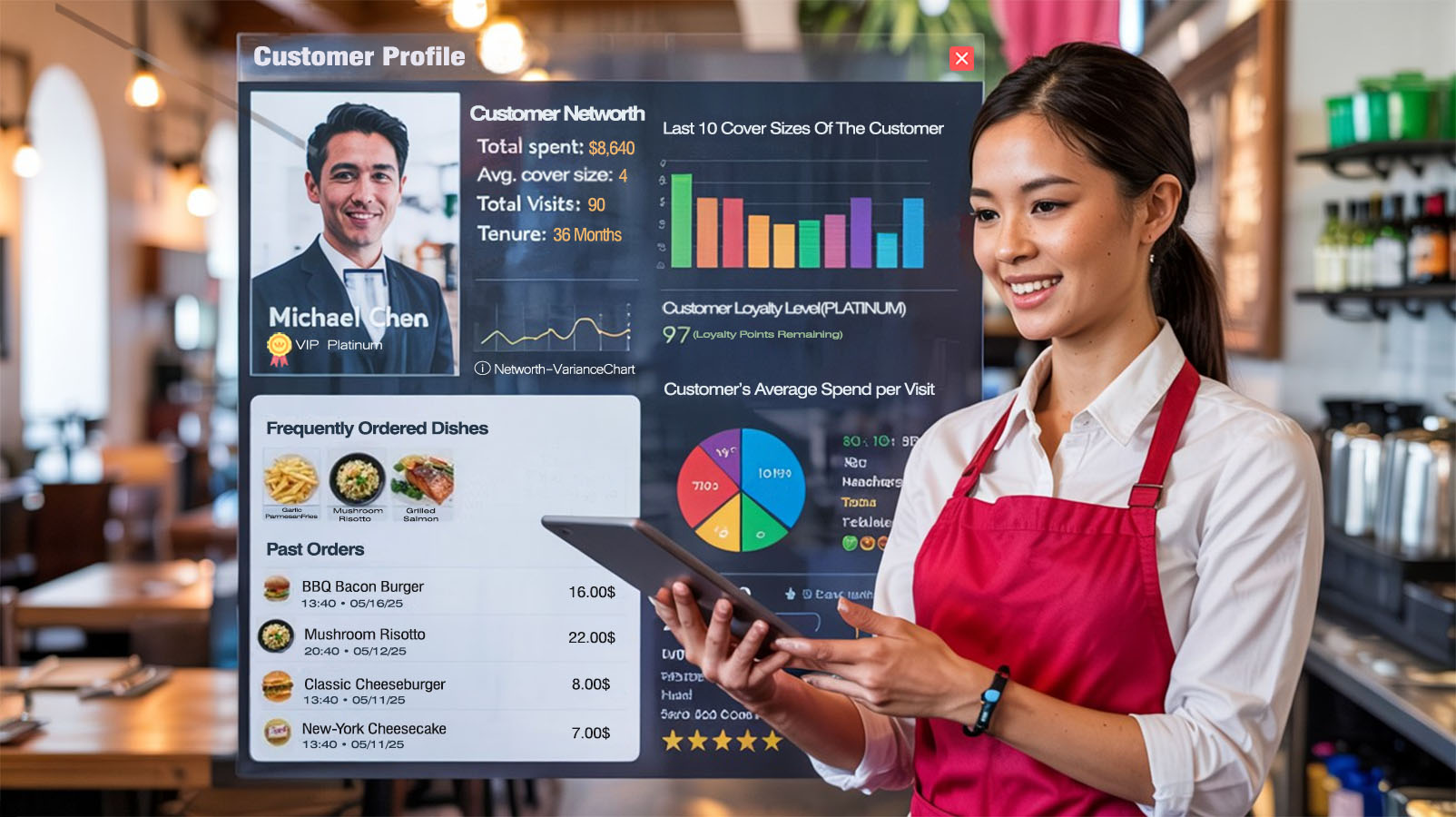
One of the most powerful features of an integrated POS system is its ability to track and utilize customer data. By storing order history, preferences, and visit frequency, restaurants can create a Personalized Dining Experience with POS systems.
Imagine a regular guest being greeted by name, receiving suggestions based on past orders, or getting a birthday discount automatically applied—these small touches create lasting impressions and build loyalty.
Restaurant Loyalty Program Integration
Speaking of loyalty—integrated POS systems support Restaurant Loyalty Program Integration seamlessly. Customers can enroll, earn points, and redeem rewards—all directly through the POS interface. No separate apps, no manual tracking.
When loyalty programs are frictionless and engaging, they encourage repeat visits and increase average spend, turning occasional guests into regulars.
Real-Time Feedback for Continuous Improvement
Today’s diners are quick to leave online reviews, but many restaurants miss the chance to fix issues before they go public. A built-in Restaurant Feedback System allows restaurants to gather guest feedback right after a meal—via tablets, receipts, or follow-up emails.
This real-time data helps managers spot patterns, resolve complaints, and reward excellent service, all contributing to a more responsive and guest-focused operation.
Behind-the-Scenes: Staff Efficiency and Kitchen Coordination
While customers may not see it directly, integrated POS technology drastically improves back-of-house efficiency. With a Kitchen Display System, chefs get orders clearly and immediately. Combined with smart routing and timers, this leads to better communication and fewer mistakes.
Meanwhile, servers and managers benefit from automated task handling, real-time inventory updates, and centralized reporting. The result? A smoother operation and a better experience for guests.
Conclusion: The Future of Dining Is Integrated
The U.S. restaurant industry is evolving, and those that embrace technology will lead the way. By implementing an Integrated POS System for Restaurants, operators are not only streamlining operations—they’re transforming the customer experience from good to unforgettable.
From Restaurant Order Taking Systems and Contactless Payments in Restaurants to Personalized Dining Experiences and Loyalty Program Integration, the modern Restaurant Payment System does it all—and more. It’s the foundation for delivering the kind of service today’s customers crave: fast, personalized, and memorable.
If you’re ready to elevate your guest experience and improve your bottom line, investing in a robust integrated POS system is the first—and smartest—step.

 MAGHIL