Introduction
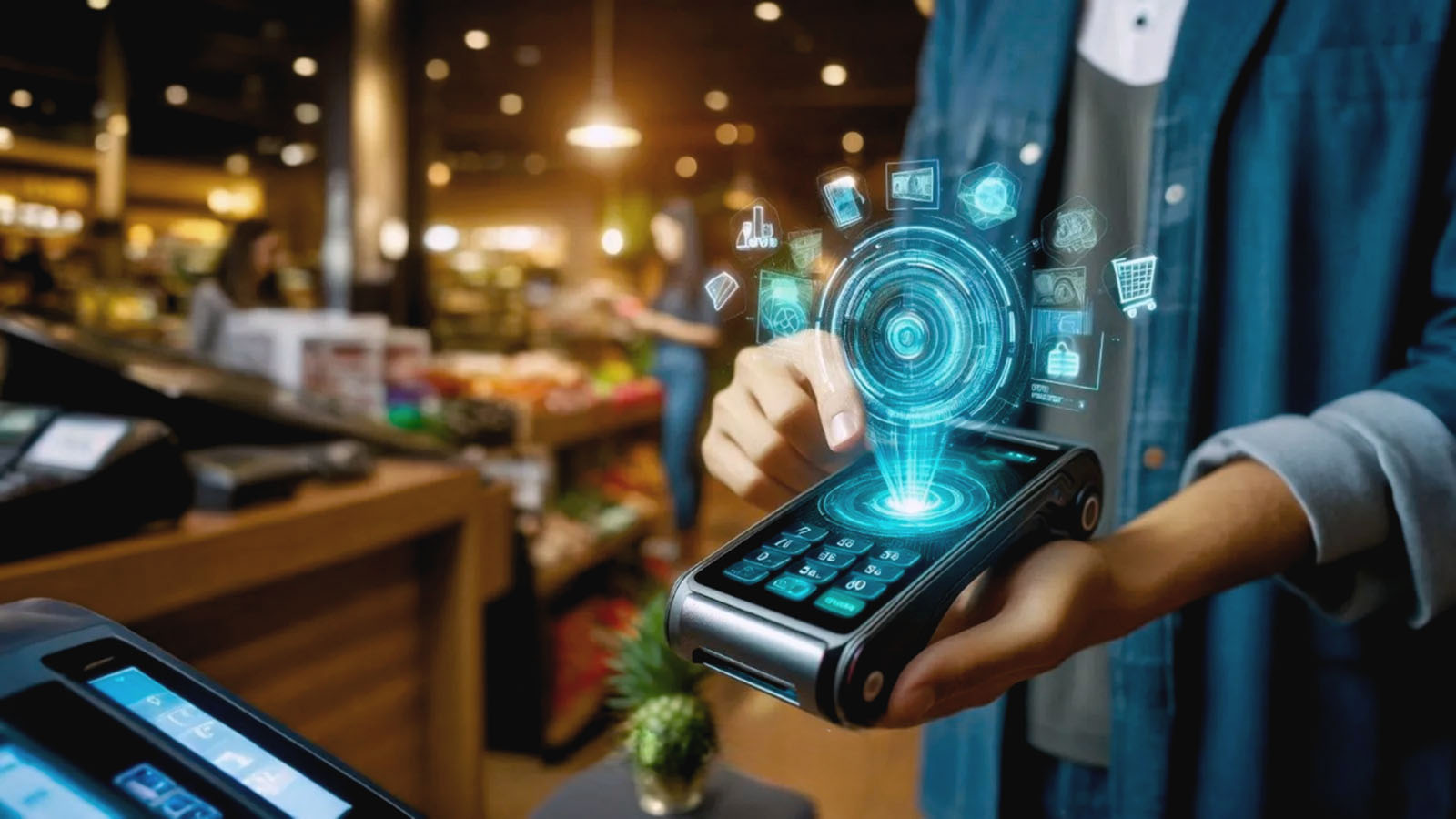
The world of commerce is undergoing a significant transformation as Artificial Intelligence (AI) and Machine Learning (ML) become integral to modern business operations. Point-of-Sale (POS) systems, the backbone of retail and hospitality, are no exception. The integration of AI in Point of Sale Systems has introduced groundbreaking capabilities that streamline processes, enhance customer experiences, and boost profitability. From predictive sales analytics to personalized customer interactions, the AI revolution in POS is shaping the future of transactions. This article explores how AI-powered POS systems are set to redefine the industry in 2025, focusing on predictive insights, inventory management, personalization, and payment innovations.
Using AI for Predictive Sales and Customer Insights in Modern POS Systems
One of the most impactful applications of AI technologies in POS systems is predictive analytics. AI algorithms analyze vast amounts of historical sales data, identifying trends and forecasting future demand. This allows businesses to anticipate customer preferences, optimize inventory, and tailor marketing campaigns effectively.
For instance, a Future POS system powered by AI can recommend restocking popular items before they run out, based on seasonal demand patterns. Similarly, it can identify underperforming products and suggest pricing strategies or promotional offers to boost sales. By offering actionable insights, AI-based POS systems empower businesses to make informed decisions that drive revenue and customer satisfaction.
Revolutionizing Inventory Management with Machine Learning in POS Systems

Efficient inventory management is a critical challenge for businesses, but machine learning in POS is revolutionizing this aspect. AI-powered inventory systems can monitor stock levels in real time, predict reorder points, and even automate supplier orders.
For example, an AI-powered POS system can identify slow-moving inventory, enabling managers to adjust orders or create discounts to free up space. Moreover, ML models can detect anomalies such as unexpected surges in demand or shrinkage, ensuring that businesses maintain optimal stock levels without overstocking or understocking. These capabilities minimize waste, reduce operational costs, and enhance profitability, making modern POS systems indispensable for inventory optimization.
How AI in POS Enhances Customer Experience Through Personalization

In 2025, customer experience is king, and AI technologies in POS systems are playing a pivotal role in creating personalized interactions. By analyzing customer purchase history and preferences, AI can recommend products tailored to individual tastes, enhancing the shopping experience.
For instance, a retail store equipped with an AI-powered POS system can offer loyalty program members exclusive discounts on their favorite items at checkout. Similarly, restaurants can suggest menu items based on a diner’s previous orders or dietary preferences. These personalized experiences build customer loyalty, increase repeat visits, and boost average transaction values.
In addition, AI in Point of Sale Systems enables businesses to deliver real-time feedback, such as notifying customers of upcoming promotions or providing satisfaction surveys at the point of checkout, creating a more engaging and rewarding interaction.
AI Integration in Payment Processes for Faster, Safer Transactions
As digital payments become the norm, AI in payments is enhancing speed, security, and convenience. AI-driven fraud detection algorithms analyze payment patterns to identify and block suspicious activities in real time, safeguarding businesses and customers alike.
Moreover, AI in digital payments streamlines the transaction process by enabling contactless and voice-activated payments, reducing wait times at the counter. For instance, AI-based POS systems can verify customer identities using facial recognition or biometrics, eliminating the need for physical cards or PIN entries.
These advancements not only improve the checkout experience but also instill greater trust in digital payment systems, encouraging broader adoption. By integrating AI into payment processes, modern POS systems are setting a new standard for seamless and secure transactions.
Conclusion
The AI revolution in POS is reshaping the retail and hospitality industries, offering unprecedented capabilities that drive efficiency, enhance customer satisfaction, and future-proof businesses. From leveraging predictive sales insights to streamlining inventory management, creating personalized experiences, and revolutionizing payments, AI-powered POS systems are at the forefront of innovation.
As we move further into 2025, businesses that embrace AI in Point of Sale Systems will gain a competitive edge, delivering smarter operations and better customer experiences. The future of POS lies in the hands of AI, and it’s time for businesses to harness its potential for a thriving tomorrow.

 MAGHIL