Introduction
In recent years, digital advancements have transformed the way businesses operate, with the restaurant industry being no exception. One of the most significant trends reshaping the dining experience is the shift toward contactless payment systems. By 2025, contactless payment methods—whether through mobile payments, digital wallets, or other contactless payment technology—are expected to become a core component of restaurant operations globally. With increasing demand for convenience, hygiene, and efficiency, customers now prefer cashless transactions that ensure a seamless, swift, and secure experience. This shift to contactless payments is proving not only beneficial for customers but also essential for restaurant operators striving to stay competitive and relevant.
This article explores the top reasons why contactless payments will be essential for restaurants in 2025, emphasizing how these systems offer operational, financial, and customer service advantages that can no longer be ignored.

1. Enhanced Customer Experience

The modern customer experience is defined by convenience and speed. With mobile payments for restaurants, diners can complete transactions with just a tap, whether they’re paying via smartphone, smartwatch, or contactless card. Contactless payment on phone apps is particularly popular among millennials and Gen Z diners who value efficiency. For restaurants, offering such streamlined payment options not only meets customer expectations but also encourages repeat visits.
Furthermore, customers appreciate the convenience of choosing how they want to pay, whether through Apple Pay, Google Wallet, or other contactless payment systems integrated into restaurant POS systems. By catering to various payment preferences, restaurants can enhance the overall dining experience and build stronger relationships with tech-savvy patrons.

2. Increased Efficiency and Faster Table Turnover
One of the most critical benefits of contactless payments in restaurants is the boost in operational efficiency. Traditional payment methods, especially those involving cash, are time-consuming, requiring multiple steps from processing to handling change. In contrast, contactless payment technology can cut down transaction times significantly, enabling faster table turnover.
With faster transactions, waitstaff can dedicate more time to serving customers and less time handling payments, which not only improves service quality but also increases restaurant revenue potential. This streamlined process ultimately makes restaurant contactless payment systems invaluable in fast-paced settings, particularly during peak hours.

3. Improved Hygiene and Safety Measures
The COVID-19 pandemic accelerated the adoption of digital payments across industries, as businesses sought safer, contactless alternatives to traditional payment methods. In restaurants, contactless payment systems provide a significant hygiene benefit by reducing direct contact with physical money and POS devices.
With contactless payments, customers can use their own devices, like smartphones or wearables, to make a transaction, eliminating the need to exchange cards or cash with waitstaff. As consumers remain highly aware of hygiene, particularly in dining settings, restaurant contactless payment systems that ensure minimal physical interaction are likely to remain highly valued by 2025.

4. Enhanced Security and Fraud Prevention
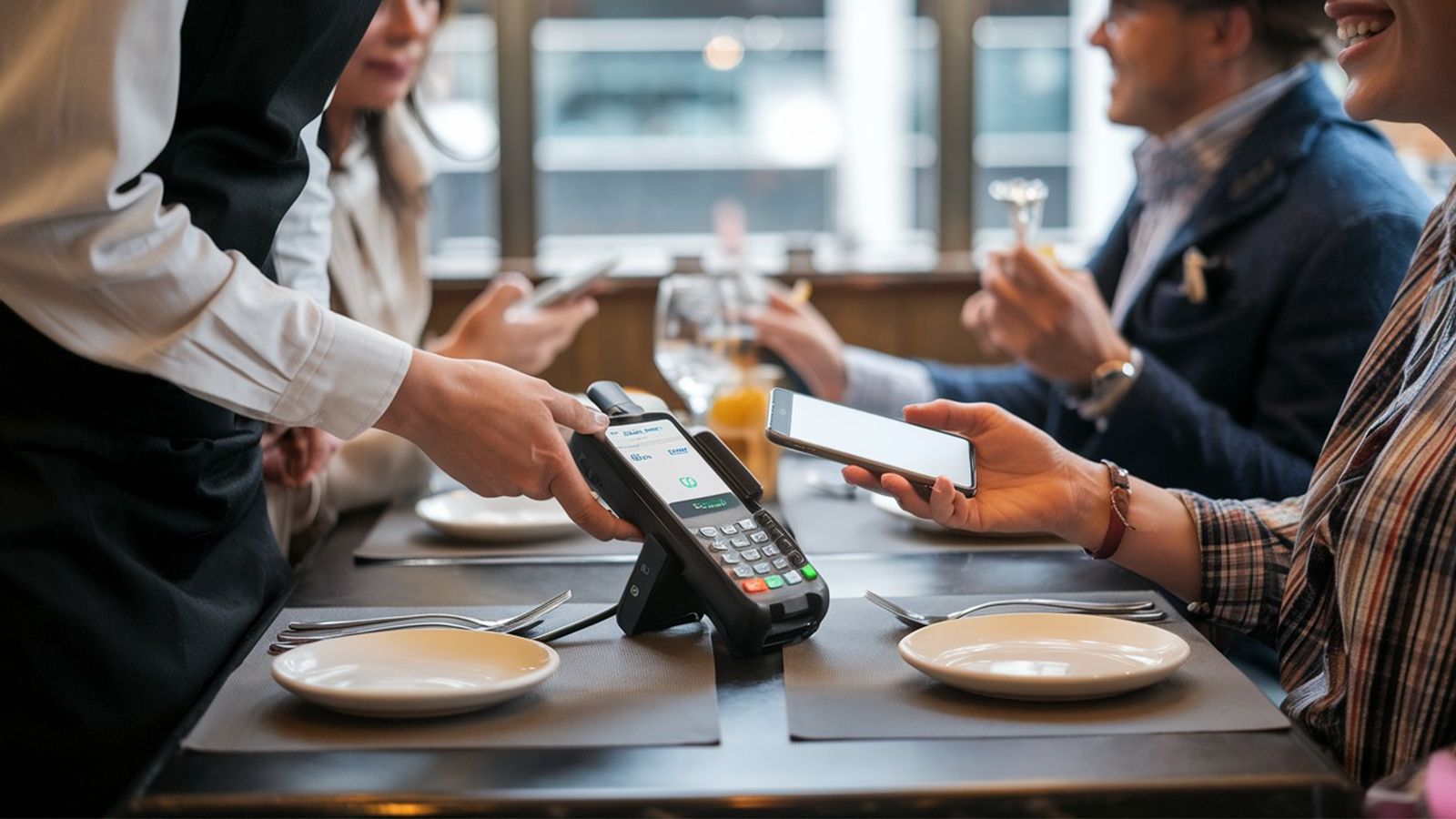
Digital payments, especially contactless options, offer built-in security features that are superior to traditional cash transactions. For instance, mobile payments for restaurants utilize advanced encryption, biometric verification, and tokenization, which make fraud much harder to perpetrate. Contactless payments with POS systems also reduce risks associated with handling cash, as there’s less physical currency in circulation.
Moreover, many contactless payment systems have built-in fraud detection tools that can recognize and respond to suspicious activities in real-time. For restaurant operators, this added layer of security not only protects the business but also enhances customer trust and loyalty by ensuring a safe transaction environment.
5. Data-Driven Insights for Improved Customer Understanding
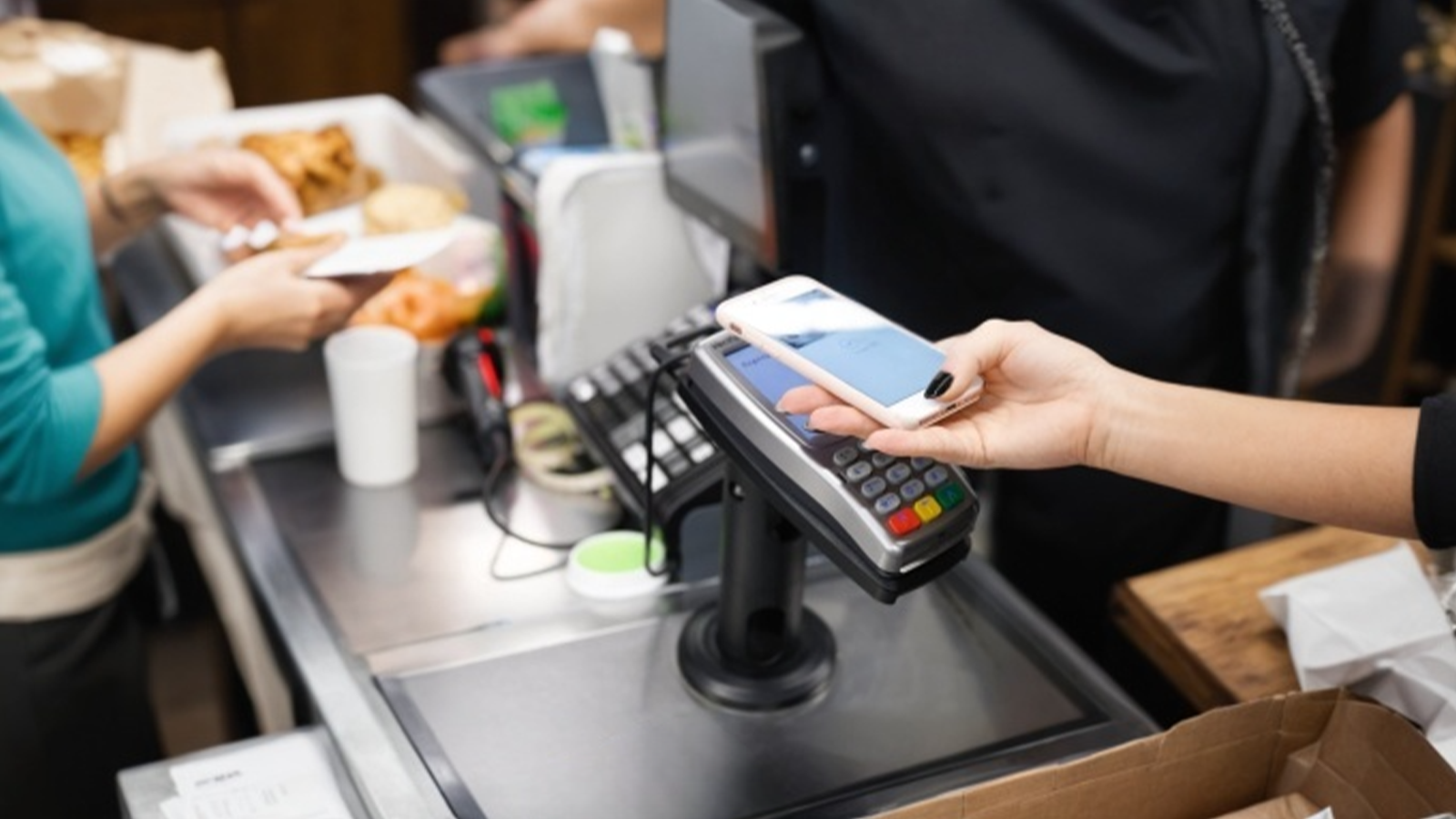
Contactless payment systems offer a wealth of data on customer behavior, preferences, and spending habits. By analyzing digital payments, restaurants can gain valuable insights into peak hours, popular menu items, and customer demographics, enabling data-driven decision-making to enhance marketing and operations.
With integrated contactless payment systems, restaurants can leverage data analytics tools that give them real-time access to detailed reports. This information can also be used to customize promotions, create targeted offers, and drive customer loyalty programs, ultimately increasing revenue and customer satisfaction.
6. Cost Savings and Operational Efficiency
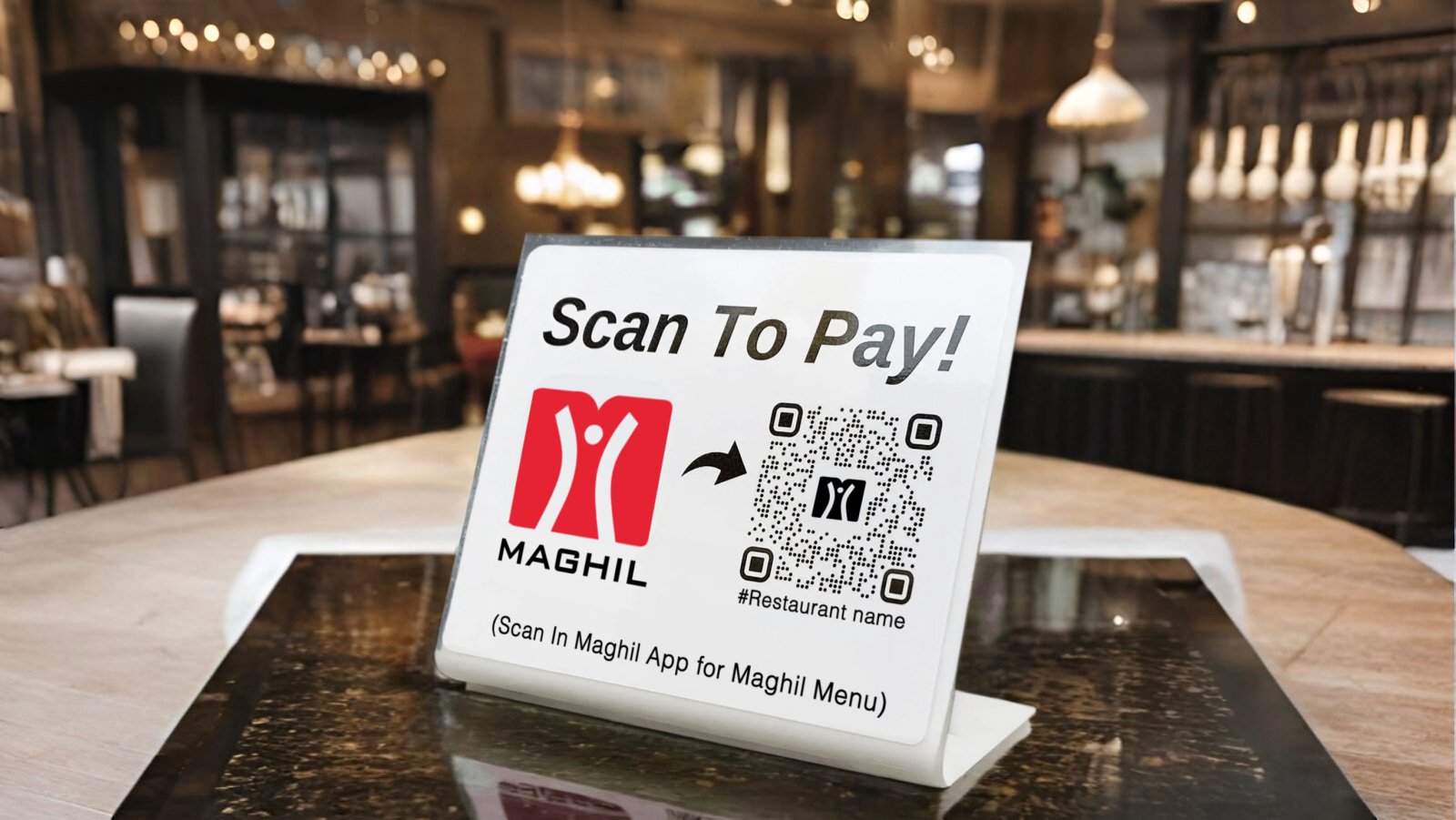
Implementing contactless payment technology can reduce certain operational costs, especially when it comes to cash handling. Managing cash payments requires time and resources for reconciliation, security, and transport, not to mention the occasional errors and potential for theft.
In contrast, cashless payments in restaurants simplify these processes, allowing staff to focus on service and reducing the costs associated with cash management. As more customers adopt digital payments, the reliance on cash will continue to diminish, allowing restaurants to operate more efficiently.

7. Increased Adaptability to Customer Preferences and Trends
By 2025, it’s expected that the majority of consumers will view contactless payment options as standard. As such, restaurants that have yet to adopt these systems may find themselves at a disadvantage. With mobile payment adoption rates growing rapidly, customers are increasingly expecting their preferred digital payment options to be available wherever they dine.
Adopting contactless payment technology now not only positions restaurants to meet current customer expectations but also ensures they’re prepared for future technological shifts. Flexible payment solutions enable restaurants to stay competitive and adapt to ever-evolving customer preferences.
Conclusion
The rise of contactless payment technology is reshaping the restaurant industry, offering numerous benefits that go beyond mere convenience. From enhancing customer satisfaction to improving operational efficiency and security, contactless payments in restaurants are no longer just a trend—they’re a necessity. As we approach 2025, embracing digital payments will be essential for restaurants aiming to thrive in an increasingly cashless economy.
In an era where customers demand flexibility, safety, and seamless service, adopting restaurant contactless payment systems will allow businesses to meet and exceed expectations. Ultimately, restaurants that incorporate these systems will be better positioned to foster loyalty, drive revenue, and stay competitive in the fast-evolving digital landscape.

 MAGHIL