Introduction :
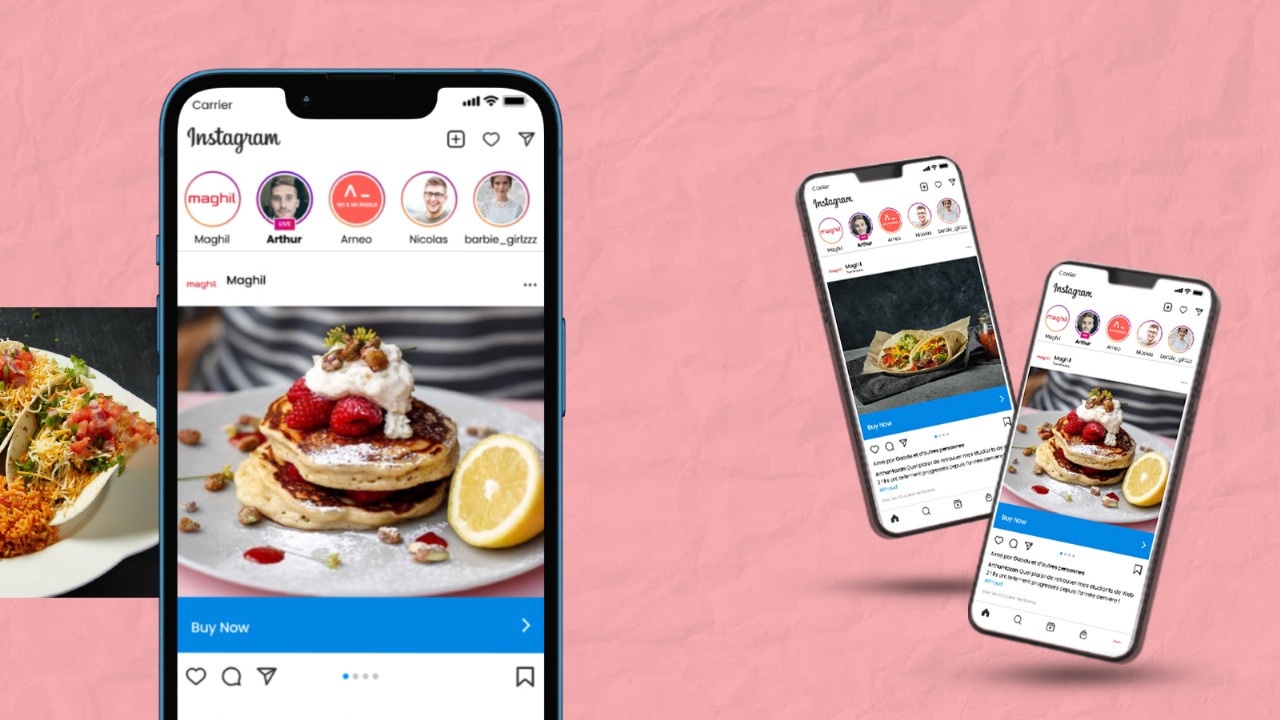
In today’s digital era, businesses strive to reach customers across multiple touch points, combining traditional in-store experiences with online interactions. The convergence of Point of Sale (POS) systems and social media integration has emerged as a powerful tool that not only enhances operational efficiency but also amplifies customer engagement and loyalty. With POS Social Media Integration, businesses can achieve seamless connectivity between their in-store operations and online presence, allowing them to gather insights, build stronger relationships, and ultimately increase sales.
Understanding POS Social Media Integration :
POS Social Media Integration refers to the merging of POS systems with social media platforms to facilitate interaction, streamline processes, and optimize customer experience both in-store and online. Through this integration, brands can engage customers by offering tailored promotions, loyalty rewards, and by enabling social sharing, all from the POS interface.
The POS system records customer transactions and captures data that is critical to understanding buying patterns, preferences, and engagement trends. By integrating it with social media, businesses can leverage data to create personalized offers and experiences for customers, which in turn fosters customer loyalty and engagement. This fusion of in-store technology with digital platforms offers businesses the opportunity to target customers more effectively and deliver more relevant interactions.
Benefits of Integrating POS with Social Media :
- Enhanced Customer Loyalty and Retention
POS Customer Loyalty programs are essential for retaining customers, and social media offers a platform to amplify these efforts. For example, a customer may earn loyalty points through in-store purchases and can later redeem them via exclusive social media campaigns or online offers. This seamless connection between POS systems and social media creates a rewarding loop that incentivizes repeat purchases and fosters long-term loyalty.
- Increased Brand Visibility and Customer Reach
Social media integration allows customers to share their purchases or experiences instantly online, thus generating organic brand visibility. For instance, by integrating a “Share on Social Media” option within the POS, customers can showcase their purchases or share their experiences with friends and followers. This generates authentic content and word-of-mouth advertising, which is invaluable for expanding a brand’s reach and attracting new customers.
- Personalized Marketing and Targeted Offers
One of the most significant benefits of Social Media Integration for POS Systems is the ability to tailor marketing efforts based on consumer preferences and behavior. POS data can track purchase history, enabling brands to segment customers based on their buying patterns. With access to these insights, businesses can craft specific campaigns or offers for customers and promote them via social media. For example, a restaurant POS system could notify a customer of a discount on their favorite meal through social media or personalized email, increasing the likelihood of repeat visits.
- Improved Customer Engagement POS
In today’s digital landscape, customers expect brands to engage with them in meaningful ways. Customer Engagement POS initiatives are more successful when brands connect online and offline interactions. For instance, a retail brand could create interactive social media polls asking customers to vote for their favorite products, which can then be highlighted in stories. By leveraging POS data and social media integration, brands can create a dynamic shopping experience that encourages engagement both in-store and online.
- Real-time Feedback and Service Improvements
Social media provides a channel for customers to leave feedback, which can be monitored and acted upon quickly when linked with a POS system. Integrating POS with social media allows for a feedback loop where customers can share their experiences directly after a transaction. This immediate access to customer opinions helps businesses identify service improvement areas, address concerns, and build a reputation for responsiveness.
- Streamlined Loyalty and Rewards Programs
Through POS Social Media Integration, loyalty and rewards programs become more interactive and appealing. Brands can reward customers not only for in-store purchases but also for social media engagement. For instance, a customer could earn points for sharing a post, tagging friends, or leaving a review online. This approach enhances customer engagement while increasing social media traction for the brand.
Key Considerations for Integrating POS with Social Media :
- Selecting the Right POS System
The choice of POS system is critical when considering social media integration. Businesses should look for a POS solution that offers seamless compatibility with social media platforms, CRM software, and loyalty programs. Some POS systems come with built-in social media features, while others may require third-party applications to facilitate integration.
- Data Privacy and Compliance
When integrating customer data from POS systems with social media, it’s essential to adhere to data privacy regulations such as GDPR. Businesses must ensure that customer data is handled securely and that customers are aware of how their data is used. Offering clear opt-ins and giving customers control over their data will foster trust and compliance.
- Creating a Unified Brand Experience
The integration should offer a consistent brand experience across all channels. The messaging, visuals, and tone of voice on social media should align with the in-store experience. A unified experience strengthens brand identity and ensures that customers feel connected to the brand regardless of where they engage.
- Employee Training
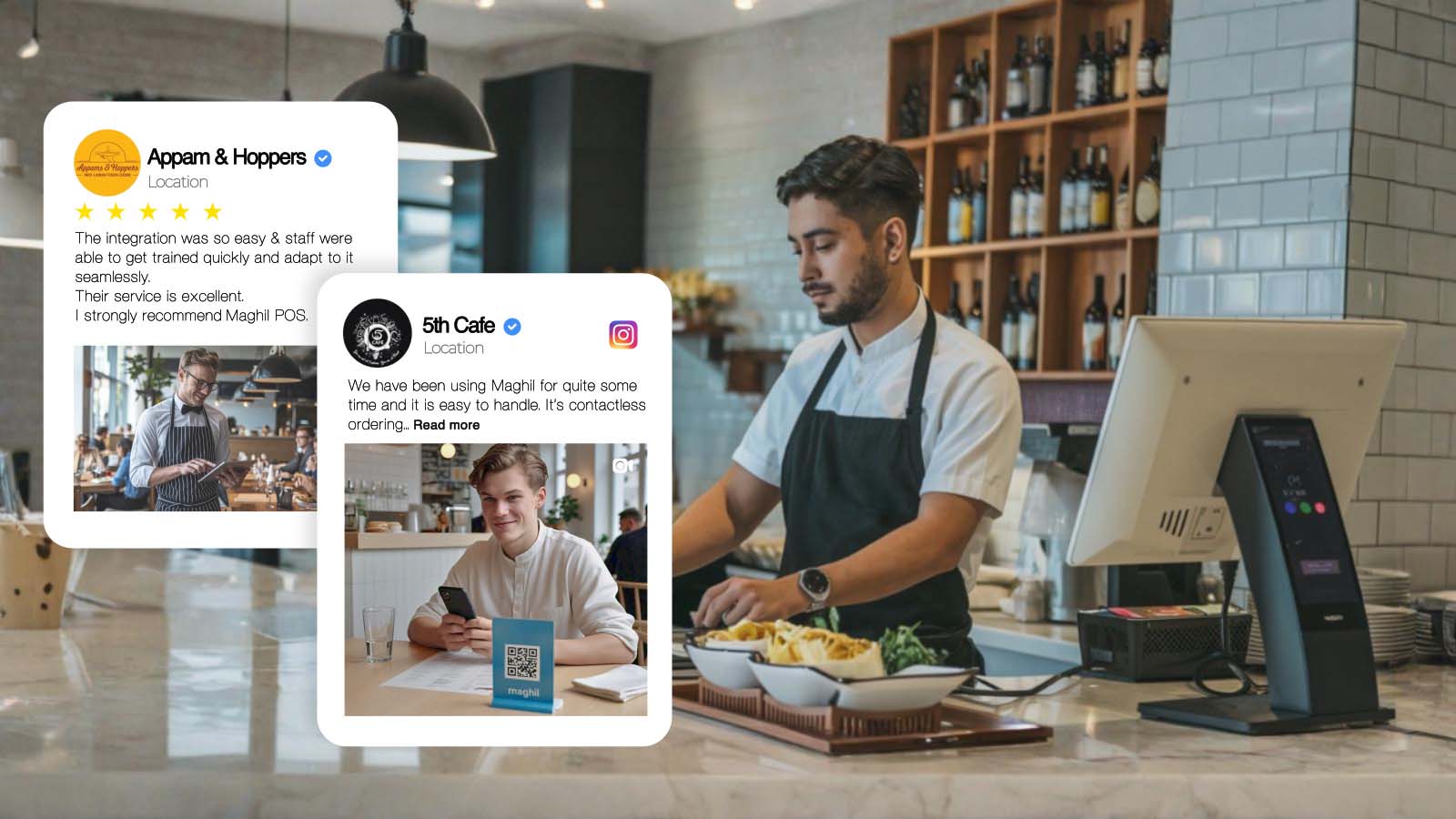
For successful implementation, employees must be trained to use the integrated POS and social media features effectively. They should understand how to guide customers in using social features, such as earning rewards or sharing purchases online, and how to address customer queries about loyalty programs.
- Evaluating Performance and Making Adjustments
Regularly assess the effectiveness of POS social media integration by tracking metrics such as customer engagement rates, loyalty program participation, and conversion rates from social media campaigns. Use these insights to make improvements, fine-tune your approach, and develop new strategies that drive engagement.
Case Studies: Success Stories of POS Social Media Integration
- Starbucks: Loyalty and Engagement Through Social Media and POS Integration
Starbucks is an exemplary case of POS Customer Loyalty achieved through social media integration. By linking its POS system to its mobile app and social media channels, Starbucks allows customers to earn points (Stars) with each purchase, which can be tracked and redeemed in real-time. Additionally, through social media, Starbucks announces limited-time promotions and special events, enhancing engagement and encouraging visits. This model has led to a highly engaged customer base and increased sales.
- Sephora: Omnichannel Customer Experience
Sephora has successfully integrated POS with social media to create an omnichannel experience for its customers. Using data from its POS and loyalty program, Sephora can deliver personalized offers to customers via social media, email, and in-store. Customers can earn points for in-store purchases and redeem them online, making it convenient to engage with the brand across platforms. This approach has strengthened Sephora’s relationship with customers and boosted loyalty.
- Nike: Leveraging Social Media for Real-Time Feedback
Nike uses POS and social media integration to collect real-time customer feedback on new product launches. When customers make a purchase, they receive a prompt to share their experience on social media, allowing Nike to gauge customer satisfaction and make adjustments if necessary. This approach has enabled Nike to stay connected with its customers, respond swiftly to feedback, and adapt its strategies based on customer needs.
Best Practices for POS Social Media Integration :
- Encourage Social Sharing with Incentives
Incentivize customers to share their purchases and experiences on social media. For example, customers could receive a discount or loyalty points for sharing a post. This will not only boost brand visibility but also encourage more customers to engage online.
- Leverage Customer Data for Targeted Campaigns
Use the data collected through POS systems to create highly targeted social media campaigns. For instance, if a customer regularly buys a specific product, you can promote related items or new arrivals to them via social media, increasing the chance of repeat sales.
- Use Social Media to Boost In-store Events
Promote in-store events, such as product launches or exclusive sales, via social media channels. This encourages followers to visit physical stores, blending online engagement with the in-store experience and driving foot traffic.
- Implement Feedback Loops for Continuous Improvement
Integrate feedback collection into the customer journey, allowing customers to share their thoughts immediately after a transaction. Use this feedback to identify areas for improvement and to continuously enhance the customer experience.
- Create Omnichannel Loyalty Programs
Design a loyalty program that rewards both online and in-store engagement. Customers should be able to earn points regardless of where they engage with the brand, and these points should be redeemable across channels, creating a seamless experience.
The Future of POS Social Media Integration :
As technology continues to evolve, POS social media integration will become even more sophisticated. Emerging trends like AI-driven insights, augmented reality (AR), and predictive analytics are set to redefine how brands connect with customers through POS and social media.
- AI-Powered Personalization
AI can analyze customer data from POS systems to provide even more personalized recommendations and promotions. By leveraging machine learning algorithms, businesses will be able to predict customer preferences and deliver targeted social media ads with higher accuracy.
- Augmented Reality for Enhanced Engagement
AR integration with POS systems and social media can create immersive experiences for customers. For example, beauty brands can allow customers to try on products virtually and then purchase them in-store. This blend of AR and POS data creates a unique and engaging customer journey.
- Predictive Analytics for Proactive Engagement
Predictive analytics can help brands anticipate customer needs before they arise. By analyzing POS data trends, businesses can anticipate when customers are likely to make a repeat purchase and proactively engage them on social media, thus boosting sales and engagement.
Conclusion :
Integrating POS with Social Media is a powerful way to drive sales and enhance customer engagement in an increasingly digital world. By merging in-store data with social media channels, brands can unlock new opportunities for personalized marketing, loyalty rewards, and real-time customer engagement. As businesses continue to evolve, leveraging POS social media integration will be essential to building long-lasting relationships, enhancing brand visibility, and creating seamless omnichannel experiences that resonate with today’s digitally-savvy customers.
The future of POS Social Media Integration holds exciting possibilities, as emerging technologies offer new ways to personalize, engage, and delight customers. Embracing this integration today allows businesses to stay competitive and set the foundation for long-term success.

 MAGHIL